Get Livestock Fencing Installation
Local contractors offer livestock fencing installation services to secure animals, define property boundaries, and support various farm or ranch projects.
Livestock fencing installation is a practical solution for property owners looking to secure their land and manage their animals effectively. Whether establishing boundaries for livestock, preventing unwanted intrusions, or organizing different sections of a farm or ranch, well-designed fencing plays a crucial role in maintaining property safety and functionality. Exploring local contractors can help identify options that suit specific needs, ensuring the fencing project aligns with the property’s layout and operational goals.
Considering different local service providers allows property owners to compare approaches and find the right fit for their fencing needs. Proper planning and selecting experienced contractors can contribute to a durable, effective fencing system that supports ongoing land management efforts. Continuing to explore available options can help ensure the chosen solution meets the practical demands of the property while fitting within the broader landscape of local services.
- Fencing for Livestock Enclosures - when farmers need secure boundaries to contain cattle, sheep, or goats.
- Pasture Fencing Installation - for property owners looking to define grazing areas and prevent livestock from wandering.
- Ranch Fencing Solutions - on large properties requiring durable fencing to manage livestock and protect land.
- Farm perimeter fencing - to establish clear boundaries and secure the farm from wildlife or trespassers.
- Temporary fencing for livestock events - during shows, auctions, or seasonal grazing periods requiring quick setup and removal.
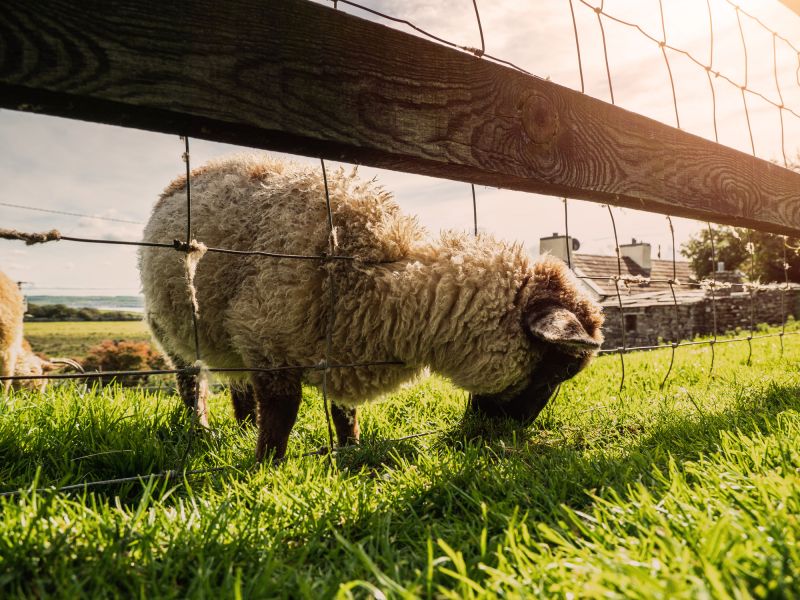
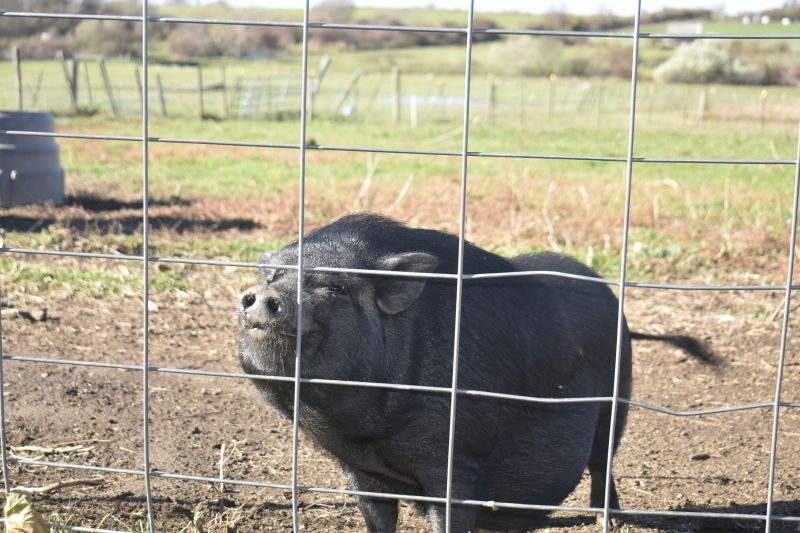
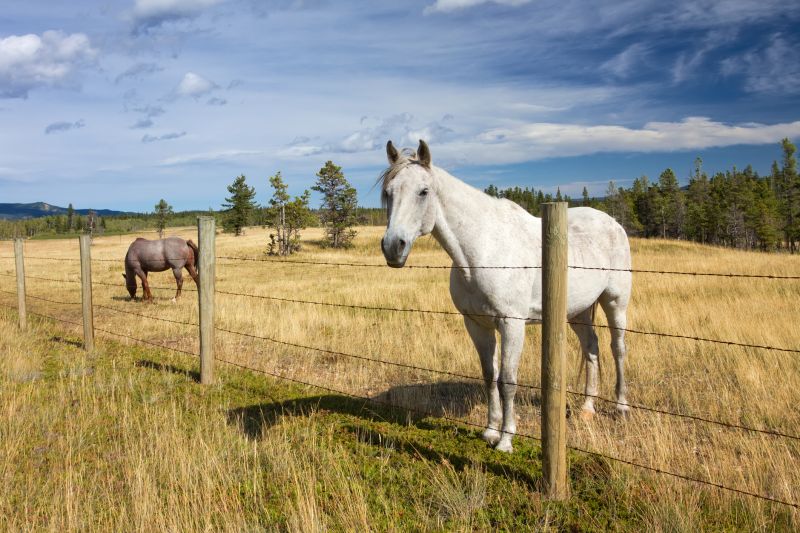
Livestock fencing installation involves setting up barriers designed to contain animals and define property boundaries. These fences are built using various materials such as wood, wire, vinyl, or electric fencing, depending on the specific needs of the property and the type of livestock. The process typically includes planning the layout, measuring the area, and installing posts and fencing materials securely to create a durable, long-lasting enclosure. This service helps ensure that animals remain safely within designated areas and prevents them from wandering onto neighboring properties or into hazardous locations.
One of the primary problems livestock fencing helps solve is the risk of animals escaping or wandering into unsafe areas. It also assists in protecting crops, gardens, or other property features from being damaged by livestock. For property owners with grazing animals, such as horses, cattle, goats, or sheep, properly installed fencing provides peace of mind and reduces the need for constant supervision. Additionally, fencing can serve as a deterrent to predators or unwanted wildlife, helping to keep animals safe and secure.
Livestock fencing installation is commonly used on rural farms, ranches, and large properties where managing animals is a priority. However, it can also be relevant for suburban or even some residential properties that have backyard animals or hobby farms. Properties with open land, pastures, or grazing areas often benefit from tailored fencing solutions that suit the size and type of livestock. Whether for agricultural use or personal hobby farming, local contractors can help design and install fencing that meets the specific needs of each property.
Homeowners and property managers who notice issues like animals escaping, damage to landscaping, or concerns about safety may find livestock fencing installation to be a practical solution. This service is suitable for those looking to create clear boundaries, contain specific animals, or enhance the security of their property. By connecting with experienced local contractors, property owners can explore fencing options that are durable, effective, and suited to their particular requirements, ensuring their livestock and property are protected.
The overview below groups typical Livestock Fencing Installation projects into broad ranges so you can see how smaller, mid-sized, and larger jobs often compare in your area.
In many markets, a large share of routine jobs stays in the lower and middle ranges, while only a smaller percentage of projects moves into the highest bands when the work is more complex or site conditions are harder than average.
Smaller Repairs - Most minor fencing repairs, such as fixing broken boards or tightening loose wires, typically cost between $250 and $600. Many routine jobs fall within this range, depending on the extent of damage and fencing material.
Basic Fence Installation - Installing a new standard livestock fence usually ranges from $1,200 to $3,500 for a typical property. Larger or more complex projects can reach $5,000+, but most installations fall within the middle of this spectrum.
Full Fence Replacement - Replacing an existing fence with a new, durable option often costs between $4,000 and $10,000. These projects tend to be on the higher end, especially for larger areas or custom fencing styles.
High-Capacity or Specialty Fencing - For large-scale or specialized fencing needs, such as electric or high-security fences, costs can exceed $15,000. Such projects are less common but handled by local contractors for larger agricultural or commercial properties.
Actual totals will depend on details like access to the work area, the scope of the project, and the materials selected, so use these as general starting points rather than exact figures.
Fence Repair and Replacement - Local contractors experienced in livestock fencing can also handle repairs and replacements to maintain secure enclosures for animals.
Pasture Clearing and Land Grading - Skills in land preparation and grading are essential for creating level, safe areas for fencing installation.
Gate Installation and Repair - Installing and maintaining gates is a related service that ensures easy access and security for livestock enclosures.
Field and Agricultural Fencing - Similar fencing projects involve setting up barriers for fields, crop protection, or farm boundaries, requiring comparable planning and tools.
Tree and Brush Clearing - Clearing overgrown vegetation is often necessary before fencing, involving similar equipment and site preparation skills.
Farm Infrastructure Construction - Building structures like feed sheds or shelter areas involves planning and installation skills related to fencing projects.
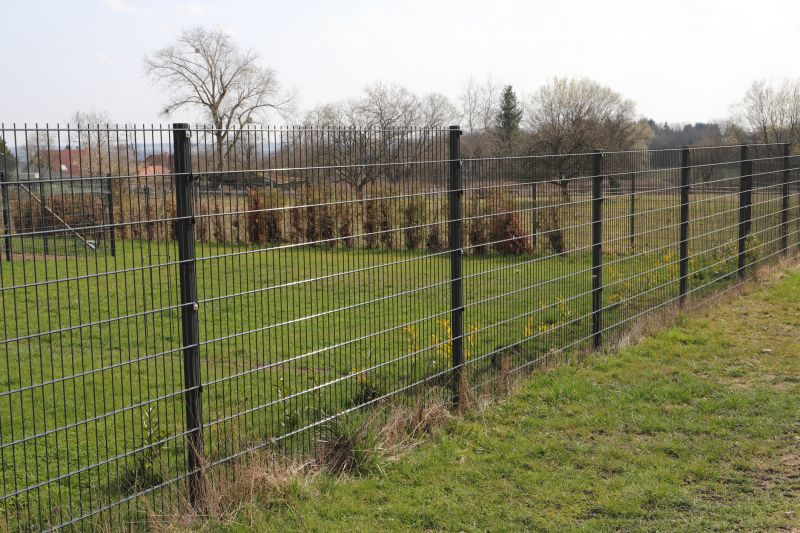
When evaluating potential service providers for livestock fencing installation, it’s important to consider their experience with projects similar in scope and complexity. Homeowners should inquire about the types of fencing systems the contractors have worked with and whether they have successfully completed projects comparable to their own. An experienced local contractor will understand the specific challenges that can arise with livestock fencing and be better equipped to deliver a durable, functional solution that meets the property’s needs.
Clear, written expectations are essential to ensure that both parties have a shared understanding of the project’s scope, materials, and deliverables. Homeowners are encouraged to request detailed proposals or estimates that outline the work to be performed, the materials to be used, and any relevant timelines or milestones. Having this documentation helps prevent misunderstandings and provides a reference point throughout the project, fostering transparency and accountability.
Reputable references and good communication are key indicators of a dependable local contractor. Homeowners should ask for references from previous clients who had similar fencing projects and follow up to learn about their experiences. Additionally, selecting a service provider who communicates clearly and promptly can make the process smoother and more predictable. While the site introduces homeowners to local options, it is important to remember that it does not perform the work itself; rather, it helps connect individuals with qualified local contractors capable of handling livestock fencing installation effectively.
Property owners use Livestock Fencing Installation services for practical projects around their homes and businesses. This guide focuses on everyday jobs and straightforward project options.
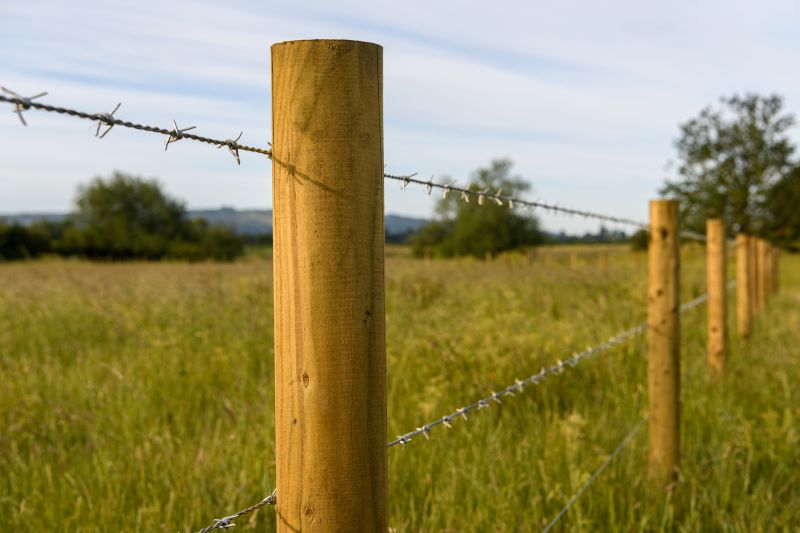
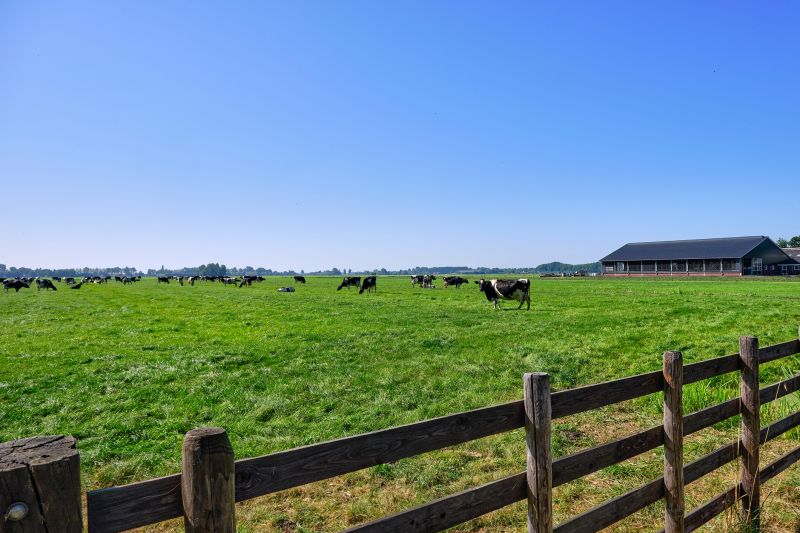
Livestock fencing installation is a common project for property owners who need to contain animals, improve security, or define boundaries on their land. Whether someone is setting up a new pasture or replacing outdated fencing, local contractors can provide the expertise needed to complete the job efficiently. Many property owners seek these services to prevent livestock from wandering off, protect their animals from predators, or simply organize their property more effectively.
In addition to agricultural needs, fencing installation can serve residential properties that require clear property lines or added privacy. Local service providers are often called upon to install fences that enhance safety and aesthetics around farms, ranches, or rural homes. They can handle a variety of fencing types suited to different property sizes and needs, making it easier for landowners to maintain a secure and well-defined space.
What types of fencing materials do local contractors install for livestock? Local service providers typically install a variety of fencing materials such as wood, wire, vinyl, and electric fencing to suit different livestock needs.
Can local pros customize livestock fencing to fit specific property layouts? Yes, many local contractors can design and install fencing that adapts to unique property shapes and terrain to ensure effective livestock containment.
Are there different fencing options suitable for various types of livestock? Yes, local service providers can recommend and install fencing solutions tailored for different animals like cattle, sheep, horses, or goats.
Do local contractors handle both installation and removal of old fencing? Many local pros offer both removal of existing fencing and installation of new fencing to streamline the process.
What maintenance considerations should be kept in mind for livestock fencing? Local providers can advise on ongoing maintenance practices to ensure fencing remains secure and functional over time.
Farm Enclosure Projects - Local contractors can install fencing to create secure areas for livestock or poultry, helping property owners manage animals more effectively.
Garden and Yard Boundaries - Service providers can set up fences around gardens or yards to keep out pests and define property lines clearly.
Equestrian Fencing Solutions - Property owners with horses can work with local pros to install safe and durable fencing suitable for equestrian needs.
Temporary Fencing for Events - Local contractors can provide fencing options for outdoor events or seasonal activities to control access and ensure safety.
If you are thinking about Livestock Fencing Installation for a property, this guide is meant to help you understand the work, the typical project types, and how different options might fit your plans.
When you are ready, you can use the quote form on this page to share a few details about your project. From there, local pros can review the basics and respond with options that match what you have in mind.